

And other helpful tips. Not from "him" or "her," but from "them."
You'd be surprised how many people ask me about my crotch. It's a lot. I have had people ask me which "parts" I have, how they look, what I plan to do with them. I don't run around with a sign that says "ask me about my crotch," but as soon as I bring up my gender identity to certain people, all of a sudden it appears on the discussion table like a highly inappropriate Seamless order. Yes, even in New York. Yes, even among seemingly "progressive" people. And it stems from the fact that most people you meet simply do not know much about non-binary gender identities. It usually goes like this:
"So you don't feel like a boy or girl?"
"Exactly."
"But you wear makeup."
"Yeah."
"But you're not a woman."
"Nah."
"...Huh."
I have had this exact conversation at least once a week, every week since coming out publicly in November. It's not one I mind; it just gets repetitive, and occasionally a little insulting if the conversation leads to questions like, "So you're just trying to be different?" With trans visibility increasing more quickly than ever, non-binary gender identity is coming into focus, too.
And it's often misunderstood.
On Tuesday, The New York Times Magazine published a brief etymology of the words "they" and "them" as pronouns for people who identify as genderqueer, genderfluid, agender, gender-noncomforming, and other genders. The piece is another stride in acknowledging those who do not feel they fit on the current male/female binary—and another piece in the growing conversation surrounding gender in society.
As someone who identifies with gender-neutral pronouns, I was amped to see the Times bring the discussion onto the radar of readers who may not know that there are even people out there who don't identify as male or female. I've been out for four months, but I've known I'm not cisgender for the last five or so years (probably longer, if I'm honest, depending on how you interpret some odd childhood habits).
Here are some of questions I've frequently been asked since coming out:
Aren't you just born with your gender?
While gender and sex are frequently used interchangeably, the two do not mean the same thing. Your sex relates to your biology, both physiological and anatomical, which often influences how you're treated in society (example: the enforcing of gender roles), but it is notthe same as gender.
According to the World Health Organization, gender is "the socially constructed characteristics of women and men." It goes on to emphasize the importance of sensitivity to "different identities that do not necessarily fit into binary male and female sex categories."
What's the difference between a non-binary and a binary identity?
The gender binary separates those who identify as male or female, simple as that. Non-binary genders, however, don't fit neatly within these two—they can be a combination of male and female, a fluid back-and-forth, or totally outside of the binary. Cisgender people, on the other hand, are folks whose identities align with the gender they were assigned at birth.
Note: "Non-binary" is an imperfect catchall for any gender outside of female and male, but it's what I'll primarily use in this rundown for simplicity's sake.
Does this mean you don't look female or male?
A common misconception is that all non-binary people are androgynous, but that isn't the case. The way you present yourself (gender expression) and the way you identify can be connected, but they are not necessarily dependent on one another.
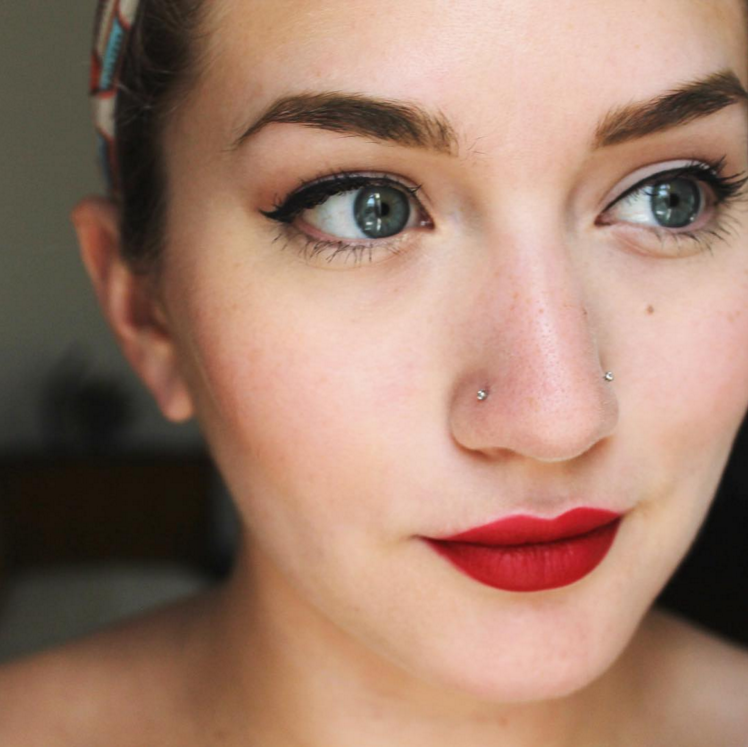
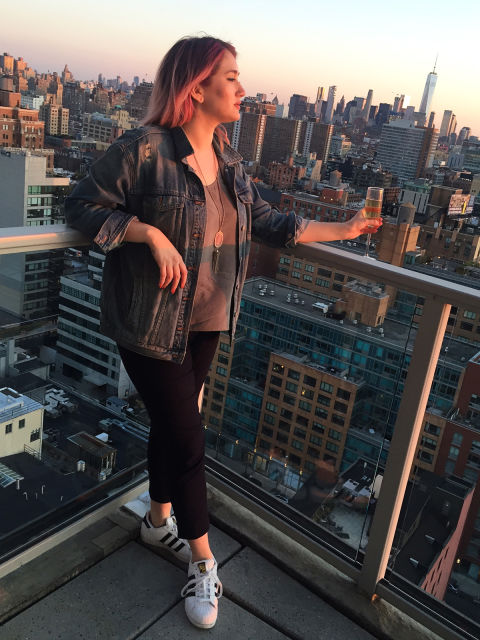
I do not identify as a woman, but the above photos show you that I present fairly feminine, meaning most people assume I am a cisgender woman until I inform them otherwise. I keep my hair long because I prefer a lob cut. I don't shave my legs. I wear dresses once in a while, and I play with makeup every day because it's literally my job (I'm the beauty editor ofGoodHousekeeping.com).
At the same time, I know people who identify as genderqueer, agender, genderfluid, and non-binary who have beards and wax their legs. I know others who sculpt their faces with makeup and prefer suits. I know some who wear no makeup at all and prefer short hair—all sorts of expressions that depend wholly on the individual.




0 Comments: